Asparagaceae
Snake plant care
Dracaena trifasciata
Also called Sansevieria, mother-in-law's tongue, viper's bowstring hemp
Reviewed by Adnan Azam, M.Sc (Hons) Agri. Forestry · Updated November 24, 2026
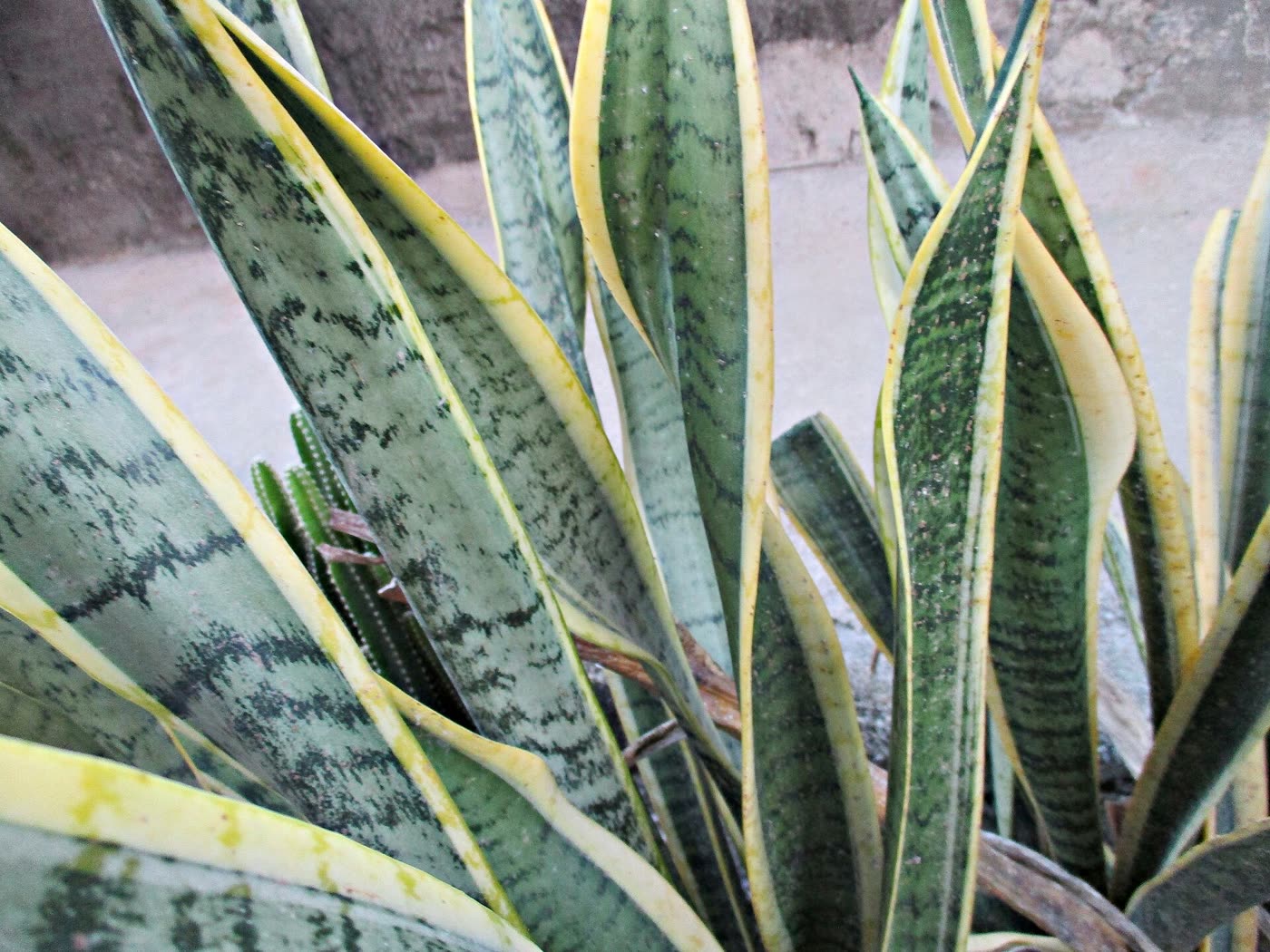

- Light
- Low to bright
- Water
- Fully dry
- Humidity
- Dry air is fine
- Pets
- Toxic
Let the mix dry out completely, then soak it. In low light and winter that can mean a month or more. Bright light keeps the markings strong. Yellow, mushy leaves are rot from wet soil, not thirst.
Overview
Snake plant, still called Sansevieria in most shops, is Dracaena trifasciata. It stores water in thick leaves and in a rhizome under the soil. That is why it survives offices. It does not survive kindness in the form of a watering can on a schedule.
The NASA air-purifier claim is from sealed-chamber work, not from a bedroom. A snake plant will not scrub the air in a flat. It will sit there looking architectural if you leave the soil dry.
Light
It tolerates low light and looks better in bright indirect light. Variegated cultivars such as Laurentii fade and stretch in a dark corner. Hot afternoon sun through a south window can bleach a leaf, but this is one of the few houseplants that can take a bright sill if you introduce it slowly.
Water
Wait until the entire mix is dry. Then water thoroughly and discard the runoff. In a bright room in summer, check every two to three weeks. In a UK winter, in a plastic pot, in low light, six to eight weeks is normal. If you are unsure, wait another week. Wrinkled leaves can mean thirst. A soft, collapsing leaf means rot.
Soil
A cactus or succulent mix, or houseplant compost cut with a third perlite or pumice. The pot needs a hole. Terracotta is safer than a glazed pot if you tend to overdo it. Do not put gravel in the bottom. That creates a perched water table, not drainage.
Humidity and temperature
Dry indoor air is not a problem. Brown tips are more often physical damage, old age, or a leaf that was creased. Do not mist it. Water sitting in the leaf cups of a rosette-forming cultivar can rot the crown.
15–29°C (60–85°F). Cold and wet together is what kills it.
Feeding
A light feed once or twice in summer is plenty. Snake plants in dim rooms are not growing fast enough to use a monthly fertilizer, and salts plus wet soil scar the roots.
Repotting
They like to be snug and will crack a thin plastic pot with rhizomes. Repot when the pot deforms or the plant dries out in a few days because there is no soil left. A pot one size up, in spring, is enough. Do not bury the leaf bases deeper than they were.
Propagation
Division is the reliable method and it keeps variegation. Leaf cuttings in soil or water will root, but a yellow-edged leaf usually grows back plain green, and it can take months before a new pup appears. Let a cut surface dry for a day before it touches mix.
Through the year
Winter is a rest. Cold windowsills plus a wet pot rot the rhizome by January. If the room drops toward 10°C (50°F) at night, keep it much drier. Growth resumes when days lengthen, often with pups at the base.
Pets and toxicity
The ASPCA lists Dracaena, including snake plant, as toxic to cats and dogs. Chewing causes nausea, vomiting, and diarrhea. It is not a cactus and the edge is not a spine, but it is not a pet plant.
Problems on this plant
- root rot
A leaf that goes yellow and mushy at the base is a rotting rhizome. Cut that fan out of the pot.
- overwatering vs underwatering
This plant almost never needs water as often as a phone reminder suggests.
- leggy plants
Leaves that lean and stretch are asking for a brighter spot, not a stake.
Do this in order
- Dry it out. Do not water on a calendar. Wait until the mix is dry all the way down.
- Give it a hole. Use a draining pot and a gritty mix. Empty the saucer.
- Brighten variegated plants. Laurentii and Moonshine hold their color in brighter light.
- Cut rot early. Remove any leaf that is soft at the soil line, and check the rhizome.
Questions
How often should I water a snake plant?
There is no honest weekly number. In bright summer light, every two or three weeks is common. In a dim winter room, monthly or less. The mix has to be dry first.
Why is my snake plant falling over?
Either the rhizome has rotted from wet soil, or the leaves are stretched from low light and too heavy for the base. Soft and smelly means rot. Firm and floppy means light.
Can snake plants live in the bathroom?
Only if there is a window. Steam does not replace light, and a bathroom that stays cool and wet is a good way to rot one.
Tools that match this care
Tools that match this kind of plant. A paid link, when one is added, will be marked and will not change the advice above.
Gritty succulent mix
At least half pumice, perlite, or fine gravel. This is what keeps jade, aloe, and echeveria alive indoors.
Why this helpsA terracotta pot with a hole
Clay breathes, which is the difference between a living succulent and a wet one.
Why this helpsA simple moisture meter
Useful while you are still learning the weight of a pot. Do not leave it stuck in the soil.
Why this helps
Related plants
Ask the assistant about this plant. The first replies are free.