Lawn
Lawn care that matches the grass you actually have
Cool-season lawns in the northern US and the UK are not bermuda lawns. These guides say which is which before they tell you to feed, water, aerate, or seed. The calendar is the month-by-month one.
Seeding a lawn
Seed when the grass you chose actually grows, onto soil it can touch, and do not bury it.
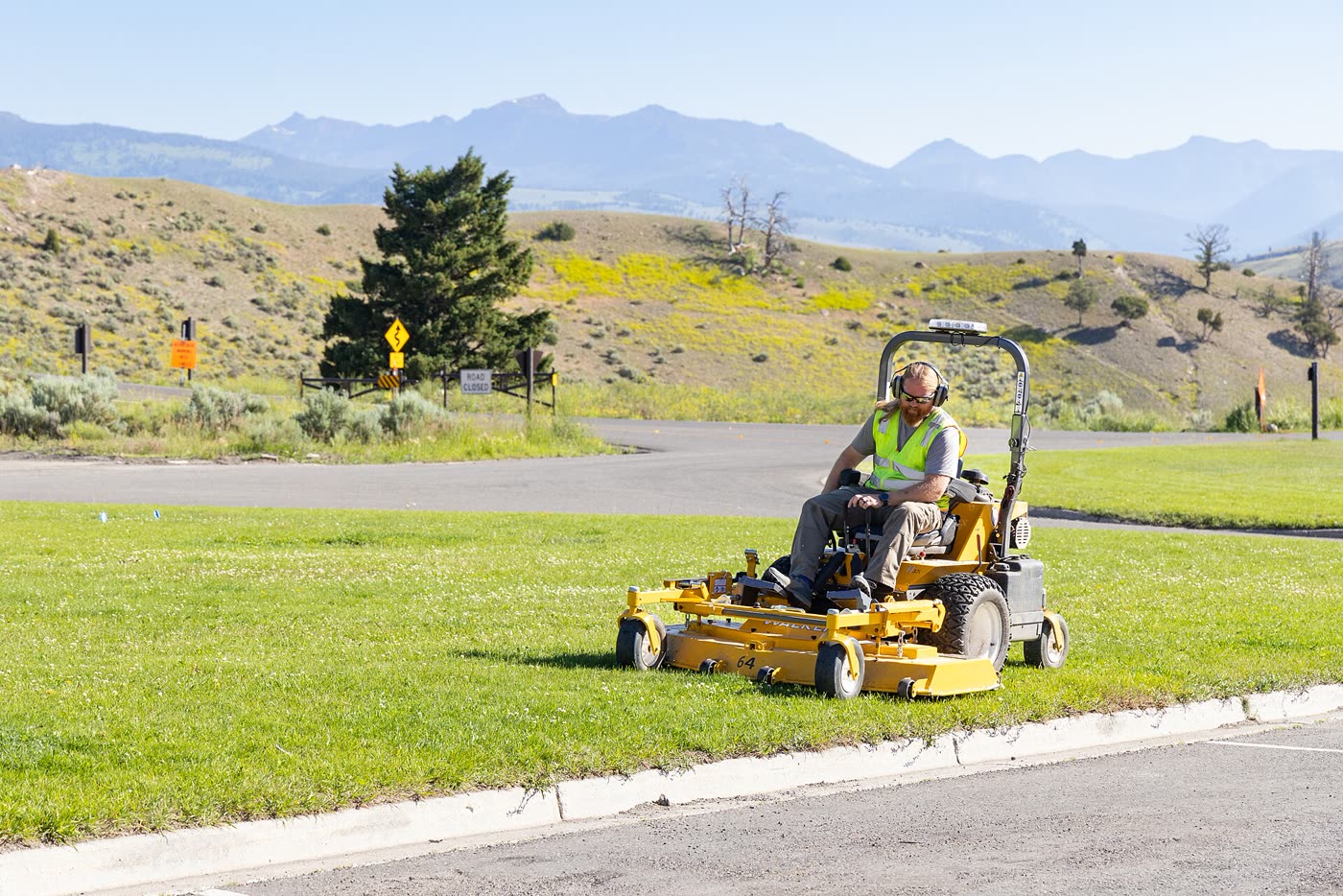
Mowing
Mow often enough that you only remove a third of the leaf, and leave cool-season grass longer than a golf green.
Fertilizing
Feed when the grass is growing, at the rate on the bag, and not because the calendar said the first of the month.
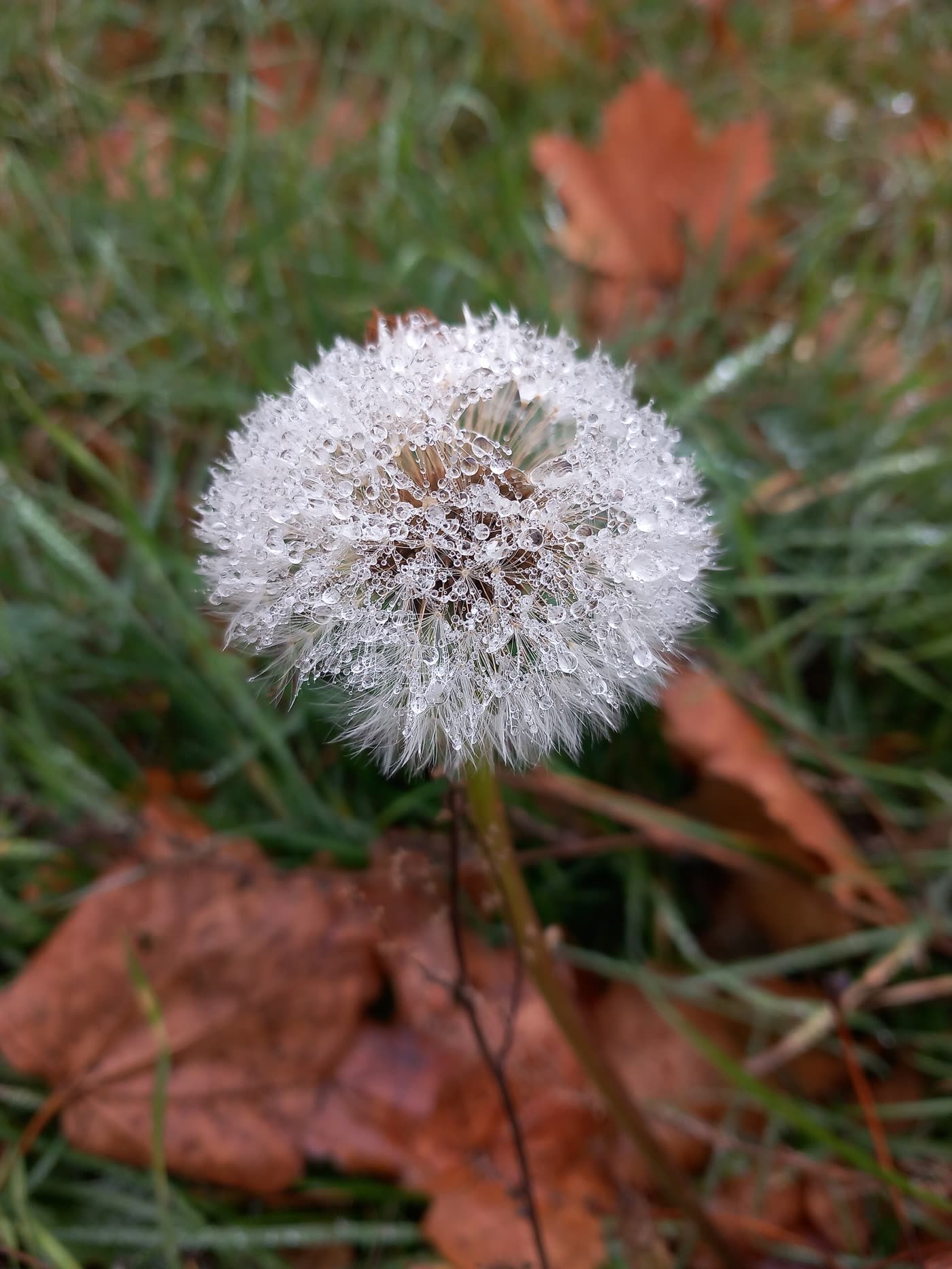
Weeds
Weeds fill gaps. Close the gaps before you reach for a herbicide.
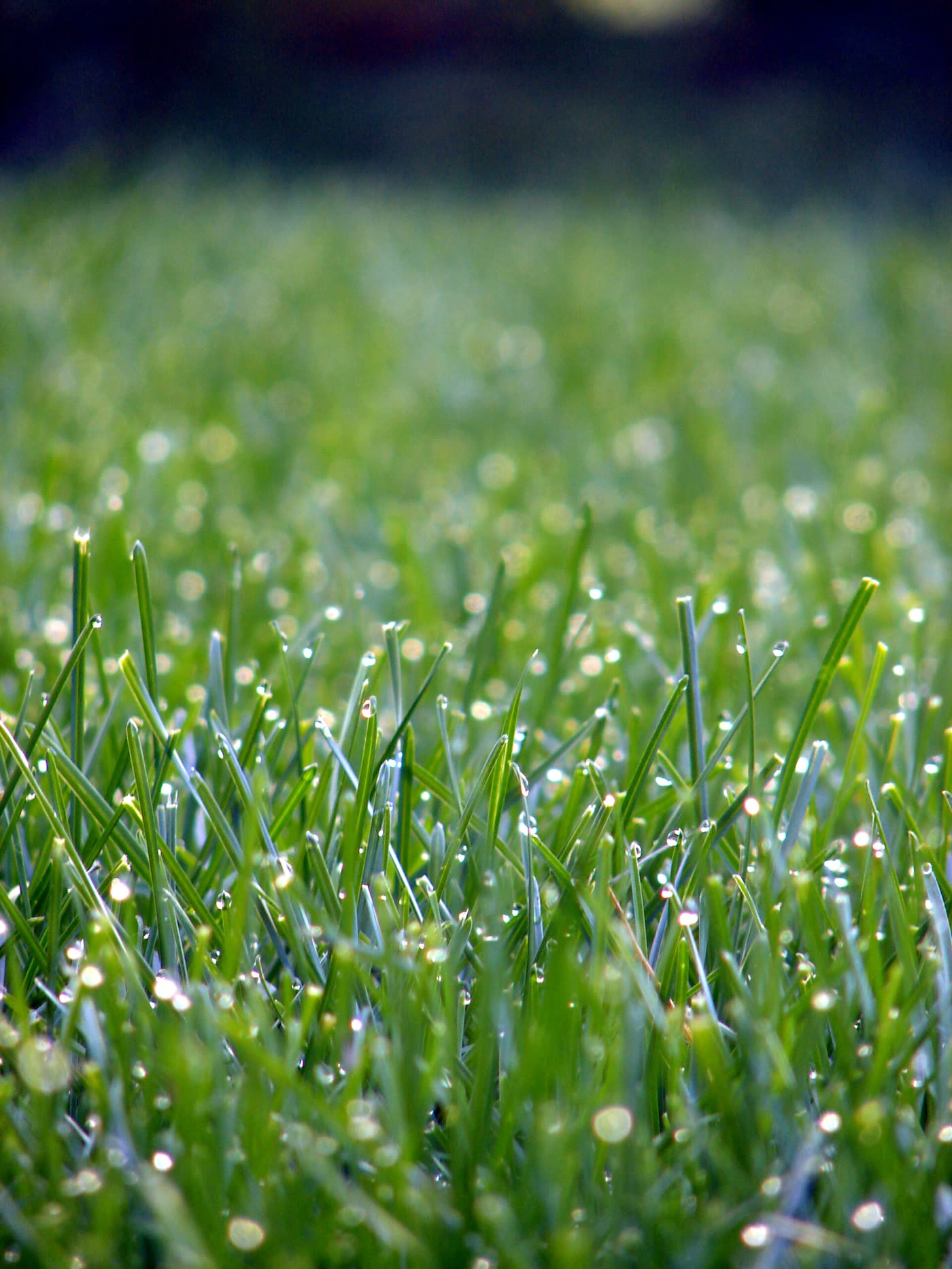
Overseeding
Overseeding is for a lawn that is thin, not for a lawn that is the wrong species in deep shade.
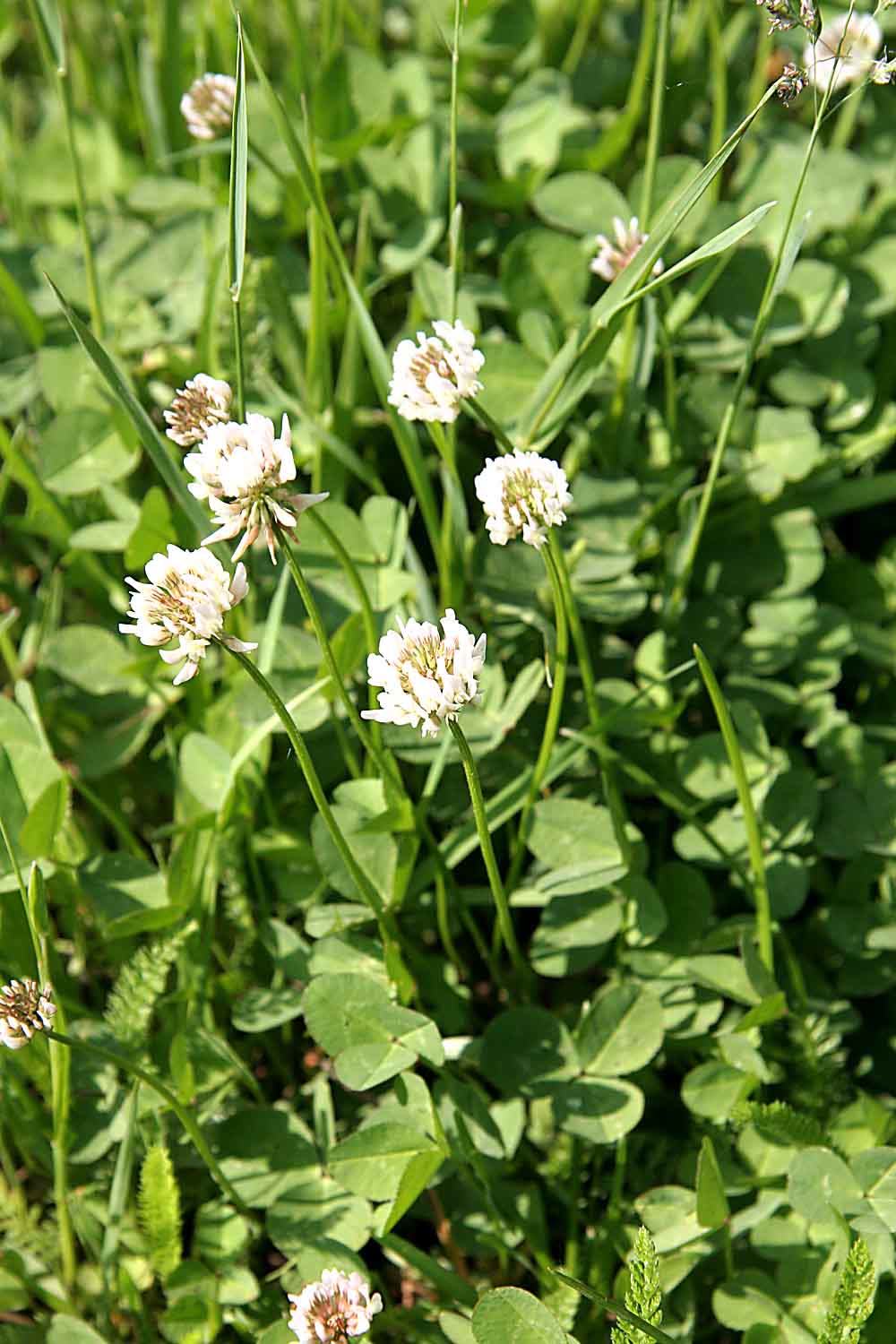
Clover lawns
Clover is a real lawn choice, with flowers that bring bees and a texture that is not Kentucky bluegrass.
Grass types
Cool-season grasses grow in spring and autumn. Warm-season grasses grow in summer and tan in winter.
Watering a lawn
Water deeply and less often. A light daily sprinkle grows shallow roots and weeds.
Aeration
Aerate when the soil is hard and the grass is growing, then leave the plugs to crumble.
Moss
Moss is a shade, moisture, and mowing problem. Killing it without changing those brings it back.
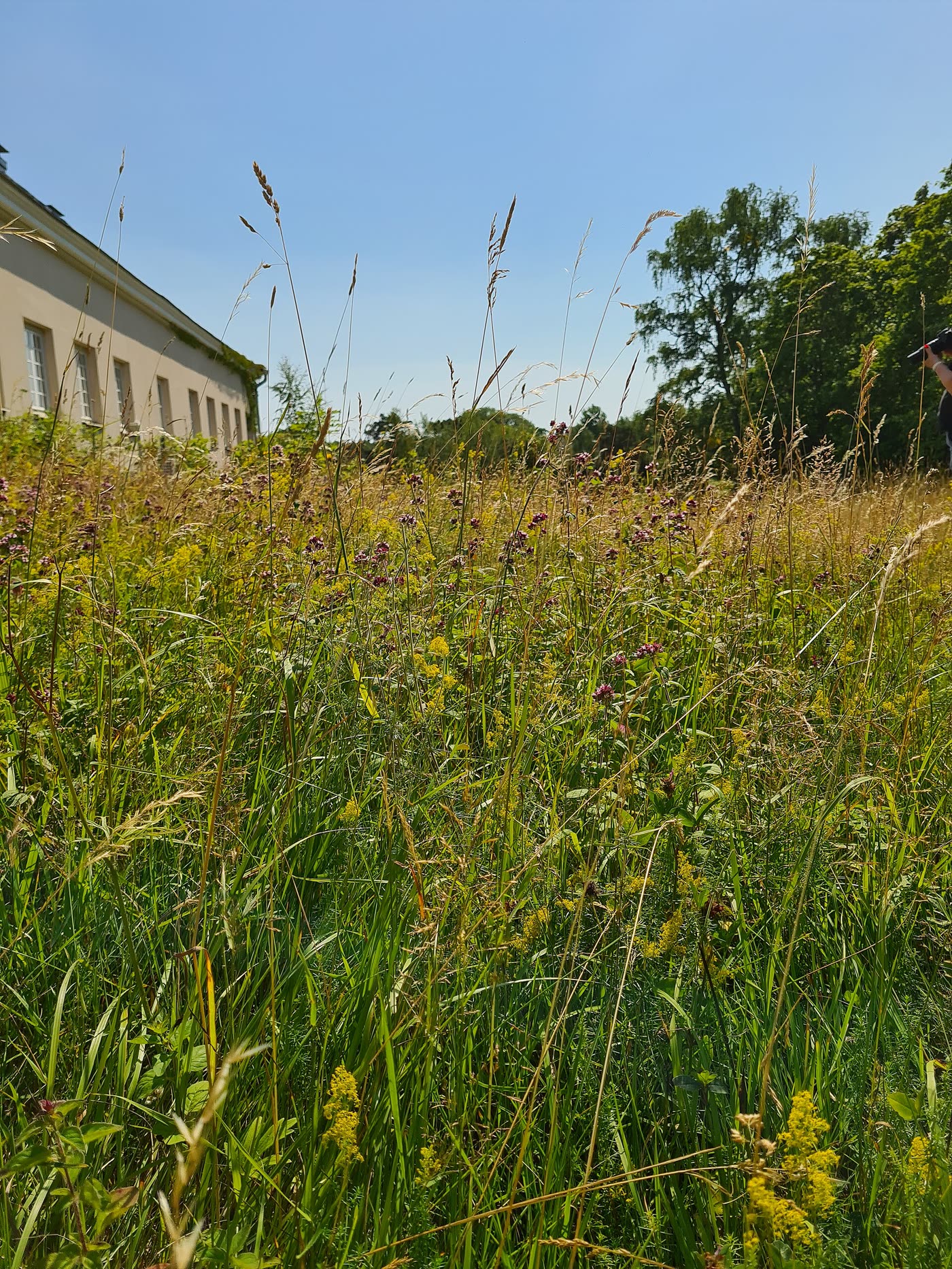
Meadow lawns
A meadow is a mown frame plus long grass and flowers, cut once a year. An unmown rye lawn is not a meadow.
Lawn calendar
Cool-season lawns are fed and seeded in autumn. Warm-season lawns wake up in late spring. The same month is not the same job.