Low-water and xeriscape ideas for 2026–2027
Reviewed by Adnan Azam, M.Sc (Hons) Agri. Forestry · Updated November 24, 2026
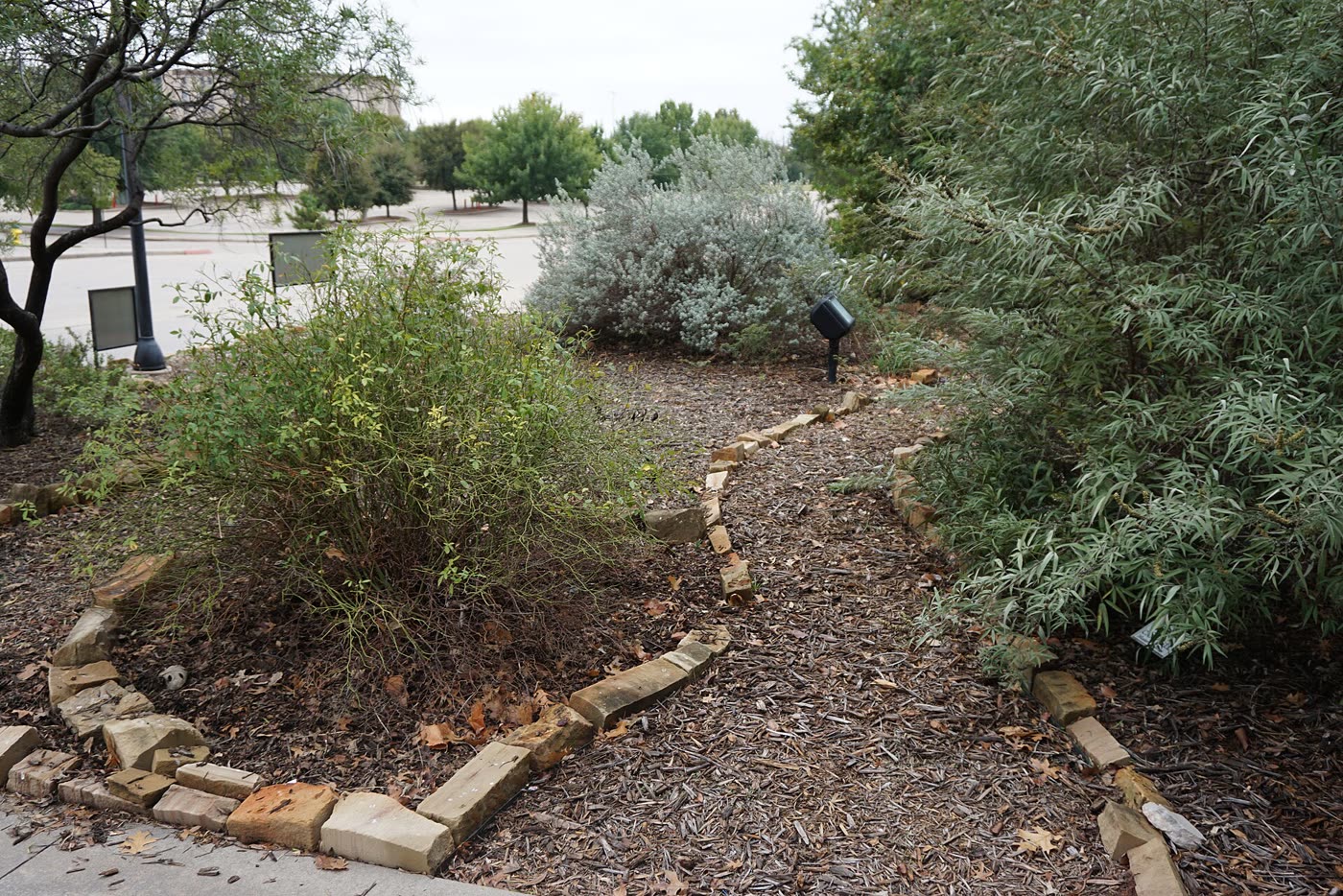

Xeriscape means planning water, not deleting plants. Keep an irrigated patch near the seats, put drought-tolerant plants in the hot bed, mulch two to three inches, and stop running a lawn sprinkler across gravel. In the UK this is about dry summers and hosepipe bans. In the western US it is the basic design.
It is not a gravel moonscape
The version that ages badly is a weed membrane, a load of white gravel, and three shrubs. The membrane lights up with weeds in the slits, and the gravel cooks the roots. A better low-water yard still has plants, spaced for their mature size, in soil covered with mulch that can break down.
Gravel has a place as a path or a dry stream. It is a poor mulch in a wet winter climate because it does not feed the soil and it reflects heat. In a dry climate, a mineral mulch can be right. Match the material to the rainfall.
Hydrozones
Draw three rings. The door and the seating get the water, including a small lawn if you actually sit on it. The middle gets plants that are established and then live on rainfall in a normal year. The far, hot, or sloping ground gets the toughest plants and no sprinkler.
A single irrigation zone for all of that is the usual failure. Drip for the beds, a separate schedule for any lawn, and no spray onto the trunks. If you cannot split the water, split the planting until one schedule fits.
What is worth doing now
Shrink the lawn before you replace the plants. Every square meter you stop mowing is water and time. Mulch the beds you already have before you buy a new palette. Then add plants in autumn, when they can root before summer. Spring planting in a dry climate means you are nursing them through the heat they were chosen to avoid.
Ask a local nursery what survived the last two summers, not what a national trend list photographed in another rainfall zone.
Do it in this order
- Shrink the irrigated area. Lawn only where you use lawn.
- Mulch, and keep it off the stems. Two to three inches. Use the mulch calculator rather than a guess.
- Split the watering. Drip for beds. A different schedule for grass. None for the dry zone.
- Plant in autumn. Roots before heat. Local plants before a catalog from a wetter place.
Questions
Can a UK garden be a xeriscape?
In the sense of surviving a dry summer without a daily hose, yes. In the sense of a Phoenix gravel yard, no. Drainage in winter still matters. Lavender in a boggy clay bed rots in January.
Do I have to kill the whole lawn?
No. A smaller, well-kept lawn next to dry beds is a normal and honest design.
What about fake grass?
It does not drink, and it also heats up, sheds plastic, and is a poor place for a dog in July. It is a surface, not a garden. Use it for a tiny worn patch if you must, not as the whole design.